The Historical Roots of Napa Valley Wine
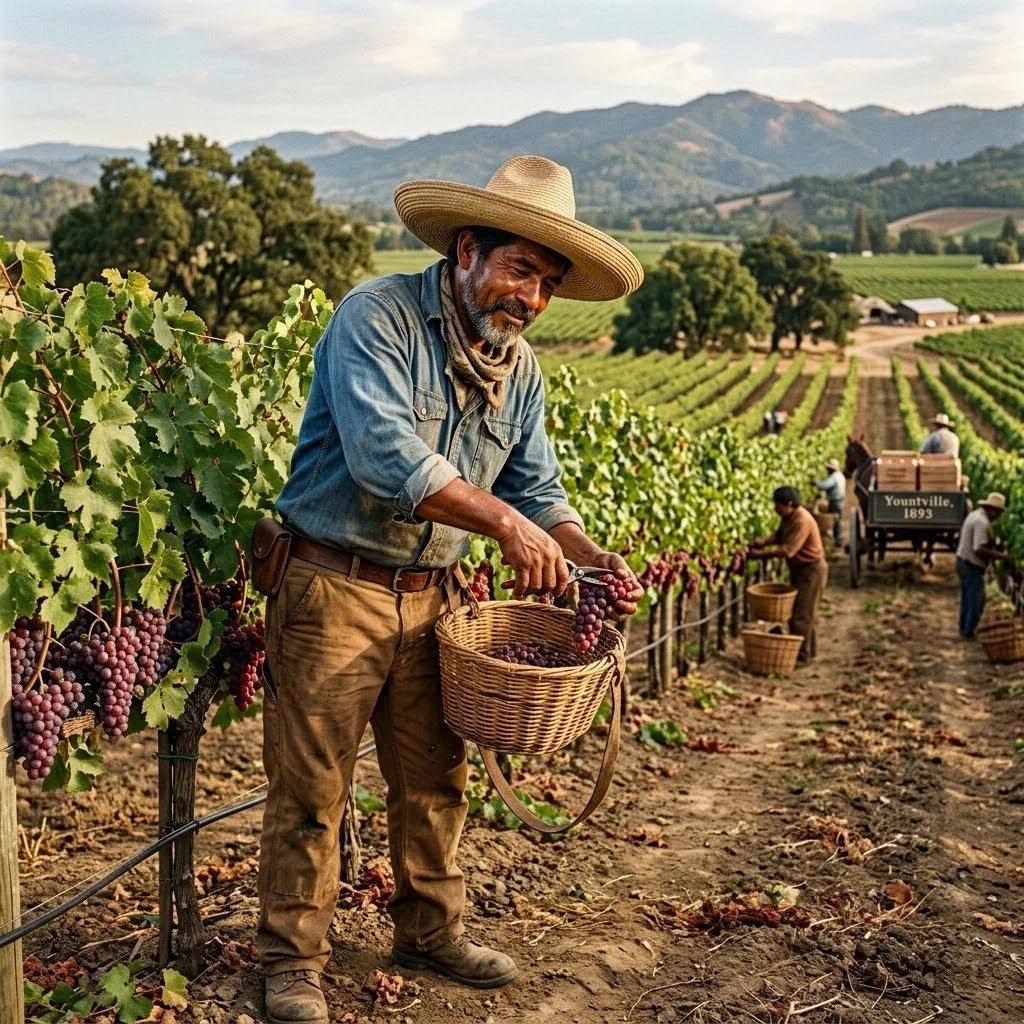
Mexico’s Enduring Legacy in Napa’s Origins
Napa Valley’s rise to global prominence is often told through the lens of pioneering Anglo settlers and 20th-century acclaim, but its roots extend deeper into the era when the region was part of Mexico. Spanish and Mexican explorers and settlers initiated grape cultivation in the early 1800s, setting agricultural patterns and land-use traditions that would shape Napa’s wine future.
Early Influence and Land Tenure Spanish missionaries and Mexican settlers introduced viticulture to California broadly, and the Napa area benefited from these early practices. Grape growing was part of a broader colonial agricultural toolkit—used for food, cider, and sacramental wine—and built on irrigation, nursery, and field techniques adapted to local climates. Crucially, these early developments happened under Mexican governance, when large land grants organized ownership and settlement patterns across the region.
George Calvert Yount and the First Vines In 1839 George Calvert Yount planted what is recognized as Napa’s first documented vineyard. Yount’s success depended directly on a Mexican land grant; during his early years in the valley the area remained Mexican territory. His plantings and landholdings helped establish viticultural practice in the valley and anchored settlement that would later support a commercial wine economy.
Labor and the Mexican Contribution Beyond early cultivation and land tenure, Mexican labor shaped Napa’s long-term development. During World War II and the decades following Prohibition, Mexican workers—many arriving under the bracero program and other labor migrations—provided essential labor in vineyards and wineries. Their work during periods of recovery and expansion was indispensable to reestablishing and modernizing the industry, creating a labor foundation that persists today.
Key Historical Timeline
1839: George C. Yount plants the first documented vineyard in Napa Valley.
1861: Charles Krug establishes Napa Valley’s first commercial winery, marking the move from subsistence and small-scale plantings to commercial production.
1890s: The grapevine pest phylloxera devastates over 80% of vines, triggering a prolonged decline and a shift toward grafting and other remedial practices.
1920–1933: Prohibition forces most wineries to close; only a few survive by producing sacramental or other exempted wines.
Post-Prohibition & WWII: Mexican labor, including braceros, plays a vital role in rebuilding vineyards and sustaining production.
1976: The Judgment of Paris blind tasting elevates Napa wines—Chardonnay and Cabernet Sauvignon—above many top French wines, galvanizing the region’s international reputation.
1981: Napa Valley becomes California’s first official American Viticultural Area (AVA), formally recognizing its distinct terroir.
Continuity and Recognition The narrative of Napa’s wine industry is a layered one. Early Spanish and Mexican influence provided agricultural knowledge and land frameworks; Mexican land grants like the one that aided Yount shaped property patterns; and Mexican labor in the 20th century supplied the human capital needed for recovery and expansion. The valley’s later breakthroughs—the Judgment of Paris and AVA designation—rest on these earlier foundations.
Acknowledging that heritage broadens the conventional story of Napa’s origins. It situates the valley not only within 19th- and 20th-century Anglo-American entrepreneurship but also within a continuum of Spanish and Mexican agricultural practice and Mexican labor contributions that sustained the region through crisis and transformation.